When a person ideas into a mental health crisis, the area changes. Voices tighten, body language shifts, the clock appears louder than common. If you have actually ever supported someone with a panic spiral, a psychotic break, or an intense self-destructive episode, you understand the hour stretches and your margin for mistake feels thin. Fortunately is that the fundamentals of first aid for mental health are teachable, repeatable, and remarkably efficient when applied with tranquil and consistency.
This overview distills field-tested techniques you can use in the first mins and hours of a dilemma. It also clarifies where accredited training fits, the line in between assistance and clinical treatment, and what to expect if you seek nationally accredited courses such as the 11379NAT program in first action to a mental wellness crisis.
What a mental health crisis looks like
A mental health crisis is any scenario where a person's ideas, emotions, or actions develops a prompt danger to their safety or the safety and security of others, or severely impairs their capacity to operate. Danger is the cornerstone. I have actually seen situations existing as explosive, as whisper-quiet, and everything in between. The majority of fall under a handful of patterns:
- Acute distress with self-harm or suicidal intent. This can look like explicit statements about wanting to pass away, veiled remarks about not being around tomorrow, distributing valuables, or silently gathering methods. Sometimes the person is flat and tranquil, which can be deceptively reassuring. Panic and extreme anxiousness. Breathing becomes superficial, the person feels detached or "unreal," and devastating ideas loophole. Hands might tremble, tingling spreads, and the concern of dying or going crazy can dominate. Psychosis. Hallucinations, deceptions, or severe paranoia adjustment how the person translates the world. They might be replying to internal stimuli or mistrust you. Reasoning harder at them hardly ever assists in the first minutes. Manic or combined states. Pressure of speech, lowered requirement for rest, impulsivity, and grandiosity can mask threat. When frustration rises, the danger of damage climbs, specifically if substances are involved. Traumatic recalls and dissociation. The person might look "taken a look at," talk haltingly, or end up being less competent. The goal is to bring back a feeling of present-time safety without forcing recall.
These presentations can overlap. Material usage can enhance signs or muddy the image. Regardless, your initial job is to slow the circumstance and make it safer.
Your first 2 minutes: security, rate, and presence
I train groups to deal with the initial 2 mins like a safety touchdown. You're not diagnosing. You're developing steadiness and minimizing prompt risk.
- Ground yourself prior to you act. Slow your own breathing. Maintain your voice a notch reduced and your rate deliberate. Individuals obtain your worried system. Scan for means and risks. Get rid of sharp things within reach, safe and secure medicines, and create room between the individual and entrances, balconies, or highways. Do this unobtrusively if possible. Position, don't catch. Sit or stand at an angle, preferably at the individual's degree, with a clear exit for both of you. Crowding escalates arousal. Name what you see in plain terms. "You look overwhelmed. I'm right here to help you through the following couple of mins." Maintain it simple. Offer a single focus. Ask if they can rest, drink water, or hold a great towel. One instruction at a time.
This is a de-escalation structure. You're indicating containment and control of the environment, not control of the person.
Talking that aids: language that lands in crisis
The right words act like stress dressings for the mind. The guideline: short, concrete, compassionate.
Avoid arguments about what's "genuine." If someone is hearing voices informing them they remain in risk, saying "That isn't taking place" invites argument. Try: "I believe you're listening to that, and it seems frightening. Allow's see what would certainly assist you feel a little safer while we figure this out."
Use shut questions to make clear security, open concerns to check out after. Closed: "Have you had thoughts of damaging on your own today?" Open up: "What makes the nights harder?" Shut inquiries cut through haze when secs matter.
Offer choices that preserve company. "Would certainly you instead sit by the window or in the cooking area?" Little options counter the vulnerability of crisis.

Reflect and tag. "You're worn down and scared. It makes good sense this feels too large." Calling emotions reduces arousal for many people.
Pause typically. Silence can be supporting if you remain existing. Fidgeting, examining your phone, or checking out the area can review as abandonment.
A practical flow for high-stakes conversations
Trained -responders often tend to comply with a sequence without making it noticeable. It maintains the interaction structured without really feeling scripted.
Start with orienting concerns. Ask the individual their name if you don't recognize it, then ask permission to help. "Is it all right if I sit with you for a while?" Authorization, also in tiny doses, matters.
Assess safety directly but delicately. I favor a stepped strategy: "Are you having ideas about hurting yourself?" If yes, follow with "Do you have a plan?" After that "Do you have access to the ways?" After that "Have you taken anything or hurt yourself currently?" Each affirmative answer raises the seriousness. If there's prompt risk, involve emergency services.
Explore safety anchors. Inquire about reasons to live, individuals they rely on, animals needing treatment, upcoming dedications they value. Do not weaponize these supports. You're mapping the terrain.
Collaborate on the following hour. Situations shrink when the next action is clear. "Would it assist to call your sibling and let her know what's occurring, or would certainly you prefer I call your GP while you sit with me?" The goal is to produce a short, concrete plan, not to repair everything tonight.
Grounding and policy methods that in fact work
Techniques need to be simple and portable. In the field, I rely on a small toolkit that helps more frequently than not.
Breath pacing with a function. Attempt a 4-6 tempo: inhale with the nose for a count of 4, breathe out gently for 6, duplicated for 2 minutes. The prolonged exhale turns on parasympathetic tone. Suspending loud with each other reduces rumination.
Temperature change. A cool pack on the back of the neck or wrists, or holding a glass with ice water, can blunt panic physiology. It's rapid and low-risk. I have actually used this in hallways, facilities, and vehicle parks.
Anchored scanning. Guide them to discover 3 things they can see, two they can feel, one they can listen to. Keep your very own voice unhurried. The point isn't to complete a list, it's to bring attention back to the present.
Muscle press and launch. Invite them to press their feet into the floor, hold for 5 secs, launch for 10. Cycle with calf bones, upper legs, hands, shoulders. This restores a sense of body control.
Micro-tasking. Ask to do a little job with you, like folding a towel or counting coins right into heaps of 5. The brain can not fully catastrophize and carry out fine-motor sorting at the same time.
Not every strategy suits every person. Ask approval before touching or handing items over. If the person has injury associated with certain sensations, pivot quickly.
When to call for help and what to expect
A decisive call can conserve a life. The limit is less than individuals believe:
- The person has actually made a legitimate hazard or attempt to damage themselves or others, or has the means and a details plan. They're significantly disoriented, intoxicated to the point of medical threat, or experiencing psychosis that stops secure self-care. You can not preserve safety because of atmosphere, rising frustration, or your own limits.
If you call emergency situation solutions, offer succinct facts: the person's age, the actions and declarations observed, any type of medical problems or substances, existing place, and any weapons or means existing. If you can, note de-escalation requires such as preferring a quiet technique, avoiding sudden activities, or the existence of pet dogs or kids. Stick with the individual if risk-free, and continue using the very same tranquil tone while you wait. If you're in a workplace, follow your organization's critical event treatments and alert your mental health support officer or designated lead.
After the acute peak: constructing a bridge to care
The hour after a crisis usually figures out whether the person engages with recurring support. As soon as safety and security is re-established, change into collective preparation. Capture three basics:
- A short-term safety and security plan. Identify indication, internal coping strategies, people to contact, and puts to avoid or seek out. Place it in composing and take a photo so it isn't shed. If means were present, settle on safeguarding or getting rid of them. A warm handover. Calling a GENERAL PRACTITIONER, psycho therapist, community mental health team, or helpline together is often extra reliable than giving a number on a card. If the person authorizations, remain for the initial couple of minutes of the call. Practical supports. Arrange food, rest, and transport. If they lack risk-free housing tonight, prioritize that discussion. Stabilization is much easier on a full stomach and after an appropriate rest.
Document the vital truths if you remain in a work environment setting. Keep language objective and nonjudgmental. Tape-record activities taken and referrals made. Excellent paperwork sustains connection of care and shields every person involved.
Common mistakes to avoid
Even experienced responders come under traps when stressed. A few patterns deserve naming.
Over-reassurance. "You're great" or "It's done in your head" can close individuals down. Change with validation and incremental hope. "This is hard. We can make the following ten minutes less complicated."
Interrogation. Rapid-fire concerns raise stimulation. Rate your inquiries, and describe why you're asking. "I'm mosting likely to ask a couple of safety and security inquiries so I can keep you secure while we chat."
Problem-solving ahead of time. Supplying services in the initial 5 minutes can really feel dismissive. Maintain initially, after that collaborate.
Breaking privacy reflexively. Safety and security overtakes privacy when somebody goes to unavoidable threat, yet outside that context be clear. "If I'm anxious concerning your safety, I may require to include others. I'll speak that through you."
Taking the struggle personally. Individuals in situation may snap verbally. Keep anchored. Set borders without shaming. "I want to help, and I can not do that while being yelled at. Let's both breathe."
How training hones impulses: where accredited training courses fit
Practice and repetition under support turn excellent intents right into trusted ability. In Australia, a number of paths help people construct capability, consisting of nationally accredited training that meets ASQA criteria. One program developed especially for front-line response is the 11379NAT course in initial response to a mental health crisis. If you see recommendations like 11379NAT mental health course or mental health course 11379NAT, they point to this concentrate on the first hours of a crisis.
The value of accredited training is threefold. Initially, it systematizes language and approach across groups, so assistance police officers, supervisors, and peers function from the very same playbook. Second, it builds muscular tissue memory with role-plays and situation work that resemble the messy edges of reality. Third, it clarifies legal and ethical duties, which is vital when stabilizing self-respect, permission, and safety.
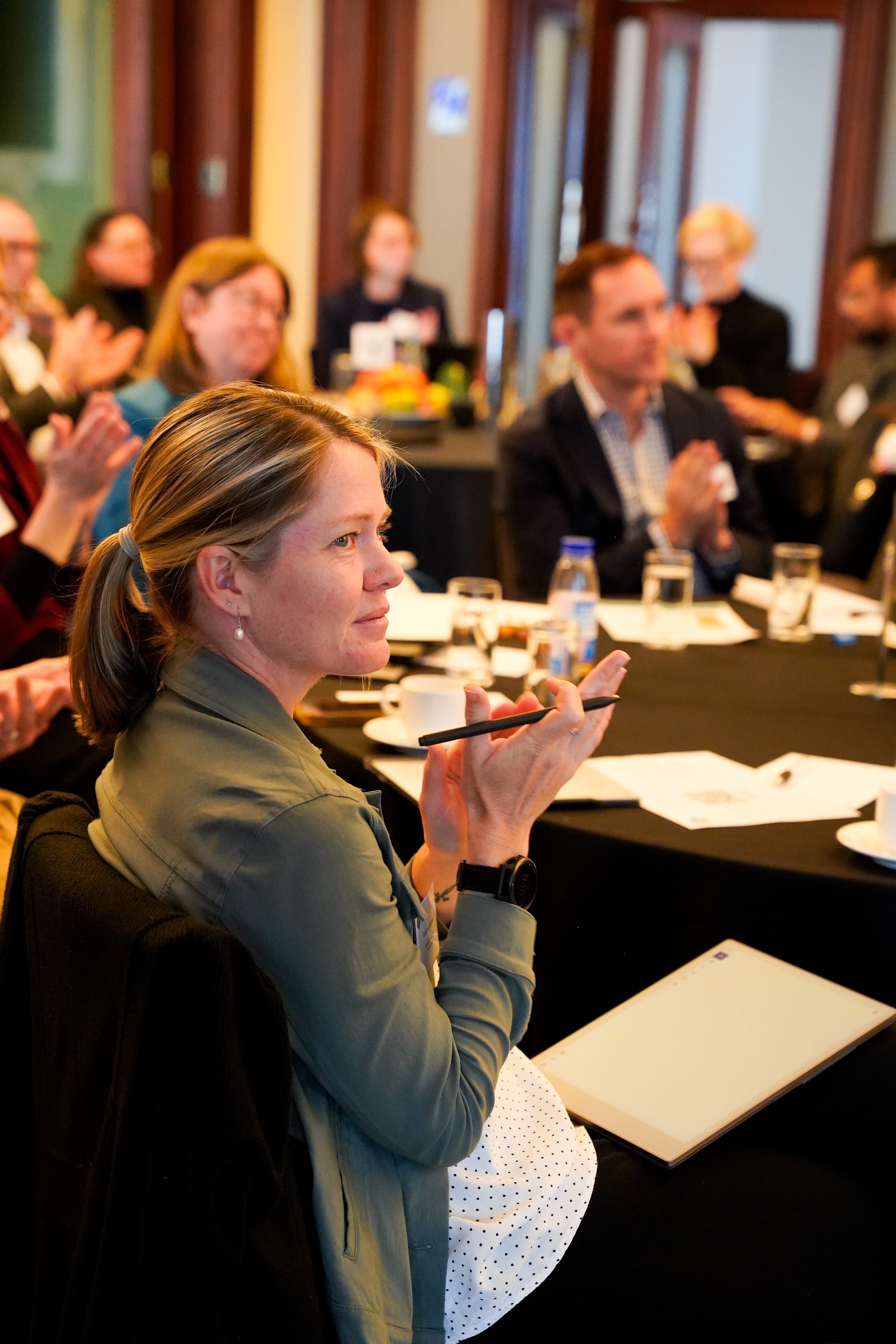
People that have actually currently completed a qualification frequently return for a mental health refresher course. You might see it described as a 11379NAT mental health refresher course or mental health correspondence course 11379NAT. Refresher course training updates risk evaluation methods, reinforces de-escalation methods, and alters judgment after policy adjustments or significant incidents. Skill decay is actual. In my experience, a structured refresher every 12 to 24 months keeps action top quality high.
If you're looking for first aid for mental health training in general, look for accredited training that is plainly noted as part of nationally accredited courses and ASQA accredited courses. Solid companies are clear about assessment demands, instructor credentials, and how the program straightens with acknowledged devices of competency. For many duties, a mental health certificate or mental health certification signals that the individual can perform a safe initial reaction, which stands out from treatment or diagnosis.
What an excellent crisis mental health course covers
Content needs to map to the facts responders face, not simply concept. Here's what issues in practice.
Clear frameworks for evaluating urgency. You ought to leave able to set apart between easy suicidal ideation and brewing intent, and to triage panic attacks versus heart warnings. Good training drills choice trees till they're automatic.
Communication under pressure. Trainers should coach you on particular expressions, tone inflection, and nonverbal positioning. This is the "how," not simply the "what." Live scenarios defeat slides.
De-escalation methods for psychosis and frustration. Expect to practice approaches for voices, deceptions, and high arousal, including when to transform the environment and when to require backup.
Trauma-informed treatment. This is greater than a buzzword. It suggests comprehending triggers, preventing coercive language where possible, and restoring option and predictability. It decreases re-traumatization https://anotepad.com/notes/a8e69g37 throughout crises.
Legal and honest limits. You require clearness working of treatment, permission and confidentiality exceptions, documentation criteria, and how organizational plans user interface with emergency services.
Cultural security and importance of social support diversity. Crisis reactions have to adapt for LGBTQIA+ customers, First Nations communities, migrants, neurodivergent people, and others whose experiences of help-seeking and authority vary widely.
Post-incident processes. Safety and security preparation, warm referrals, and self-care after direct exposure to injury are core. Concern fatigue sneaks in silently; good training courses resolve it openly.
If your duty includes sychronisation, seek modules tailored to a mental health support officer. These typically cover case command basics, group communication, and assimilation with HR, WHS, and exterior services.
Skills you can practice today
Training accelerates growth, yet you can build practices now that translate directly in crisis.
Practice one basing manuscript till you can supply it calmly. I keep an easy internal manuscript: "Call, I can see this is extreme. Allow's reduce it with each other. We'll take a breath out much longer than we take in. I'll count with you." Practice it so it's there when your own adrenaline surges.
Rehearse safety and security concerns aloud. The first time you inquire about suicide shouldn't be with somebody on the edge. Say it in the mirror until it's proficient and gentle. Words are much less scary when they're familiar.
Arrange your atmosphere for calmness. In workplaces, pick an action space or edge with soft illumination, two chairs angled towards a home window, tissues, water, and a basic grounding things like a textured anxiety sphere. Small style choices save time and minimize escalation.
Build your recommendation map. Have numbers for local dilemma lines, neighborhood mental wellness teams, GPs who approve immediate bookings, and after-hours options. If you operate in Australia, recognize your state's mental health and wellness triage line and neighborhood health center treatments. Write them down, not simply in your phone.
Keep a case checklist. Even without official themes, a short page that triggers you to tape-record time, declarations, risk elements, actions, and recommendations helps under tension and supports great handovers.
The side cases that check judgment
Real life generates situations that don't fit neatly into handbooks. Right here are a couple of I see often.
Calm, high-risk discussions. An individual may offer in a flat, resolved state after deciding to pass away. They may thank you for your assistance and appear "better." In these situations, ask extremely straight regarding intent, plan, and timing. Raised risk hides behind calmness. Rise to emergency services if threat is imminent.
Substance-fueled crises. Alcohol and energizers can turbocharge anxiety and impulsivity. Focus on medical threat assessment and environmental control. Do not try breathwork with somebody hyperventilating while intoxicated without initial judgment out clinical issues. Call for medical support early.
Remote or on the internet situations. Several conversations start by text or chat. Use clear, short sentences and inquire about location early: "What suburb are you in right now, in case we need even more assistance?" If danger escalates and you have permission or duty-of-care grounds, entail emergency situation solutions with location information. Maintain the individual online till aid shows up if possible.
Cultural or language barriers. Avoid idioms. Use interpreters where available. Inquire about preferred kinds of address and whether family members participation rates or risky. In some contexts, a neighborhood leader or faith employee can be an effective ally. In others, they may intensify risk.
Repeated customers or intermittent crises. Exhaustion can deteriorate concern. Treat this episode by itself advantages while developing longer-term assistance. Set boundaries if needed, and file patterns to notify treatment plans. Refresher training frequently aids teams course-correct when exhaustion alters judgment.
Self-care is operational, not optional
Every situation you support leaves deposit. The indicators of build-up are foreseeable: impatience, sleep adjustments, pins and needles, hypervigilance. Excellent systems make recuperation component of the workflow.
Schedule structured debriefs for significant occurrences, ideally within 24 to 72 hours. Maintain them blame-free and functional. What functioned, what really did not, what to adjust. If you're the lead, version vulnerability and learning.
Rotate duties after extreme calls. Hand off admin tasks or march for a short stroll. Micro-recovery beats awaiting a vacation to reset.
Use peer assistance wisely. One trusted associate that knows your tells is worth a dozen wellness posters.
Refresh your training. A mental health refresher every year or more recalibrates methods and strengthens borders. It additionally permits to say, "We need to upgrade exactly how we deal with X."
Choosing the right course: signals of quality
If you're thinking about a first aid mental health course, seek suppliers with clear curricula and assessments straightened to nationally accredited training. Expressions like accredited mental health courses, nationally accredited courses, or nationally accredited training ought to be backed by proof, not marketing gloss. ASQA accredited courses list clear units of competency and end results. Trainers should have both qualifications and field experience, not simply classroom time.

For duties that need recorded skills in situation response, the 11379NAT course in initial response to a mental health crisis is developed to construct specifically the abilities covered right here, from de-escalation to safety planning and handover. If you currently hold the qualification, a 11379NAT mental health refresher course maintains your skills existing and pleases business requirements. Outside of 11379NAT, there are more comprehensive courses in mental health and first aid in mental health course choices that suit managers, HR leaders, and frontline personnel who need general proficiency rather than crisis specialization.
Where feasible, select programs that consist of online situation evaluation, not just online tests. Ask about trainer-to-student proportions, post-course assistance, and acknowledgment of previous knowing if you've been practicing for years. If your company plans to designate a mental health support officer, straighten training with the responsibilities of that function and incorporate it with your incident monitoring framework.
A short, real-world example
A storage facility supervisor called me about an employee who had been abnormally peaceful all morning. During a break, the employee trusted he had not oversleeped two days and said, "It would certainly be simpler if I really did not get up." The supervisor rested with him in a peaceful office, established a glass of water on the table, and asked, "Are you thinking of hurting yourself?" He nodded. She asked if he had a strategy. He stated he maintained an accumulation of pain medication in your home. She maintained her voice consistent and claimed, "I'm glad you informed me. Today, I wish to maintain you secure. Would you be alright if we called your general practitioner together to obtain an urgent consultation, and I'll remain with you while we speak?" He agreed.
While waiting on hold, she directed a straightforward 4-6 breath speed, two times for sixty seconds. She asked if he wanted her to call his companion. He nodded once again. They booked an immediate general practitioner port and concurred she would certainly drive him, then return together to accumulate his auto later. She documented the event objectively and notified HR and the marked mental health support officer. The GP collaborated a brief admission that afternoon. A week later, the worker returned part-time with a security plan on his phone. The manager's selections were standard, teachable abilities. They were additionally lifesaving.
Final thoughts for any person that could be first on scene
The ideal -responders I've collaborated with are not superheroes. They do the tiny points constantly. They reduce their breathing. They ask direct inquiries without flinching. They choose plain words. They remove the blade from the bench and the pity from the area. They recognize when to ask for back-up and just how to turn over without deserting the individual. And they practice, with comments, to make sure that when the stakes climb, they do not leave it to chance.
If you carry responsibility for others at the workplace or in the neighborhood, take into consideration official understanding. Whether you pursue the 11379NAT mental health support course, a mental health training course more broadly, or a targeted emergency treatment for mental health course, accredited training provides you a foundation you can rely upon in the unpleasant, human minutes that matter most.